
SLO County local news
Russia's Putin declares a ceasefire in Ukraine for Orthodox Easter
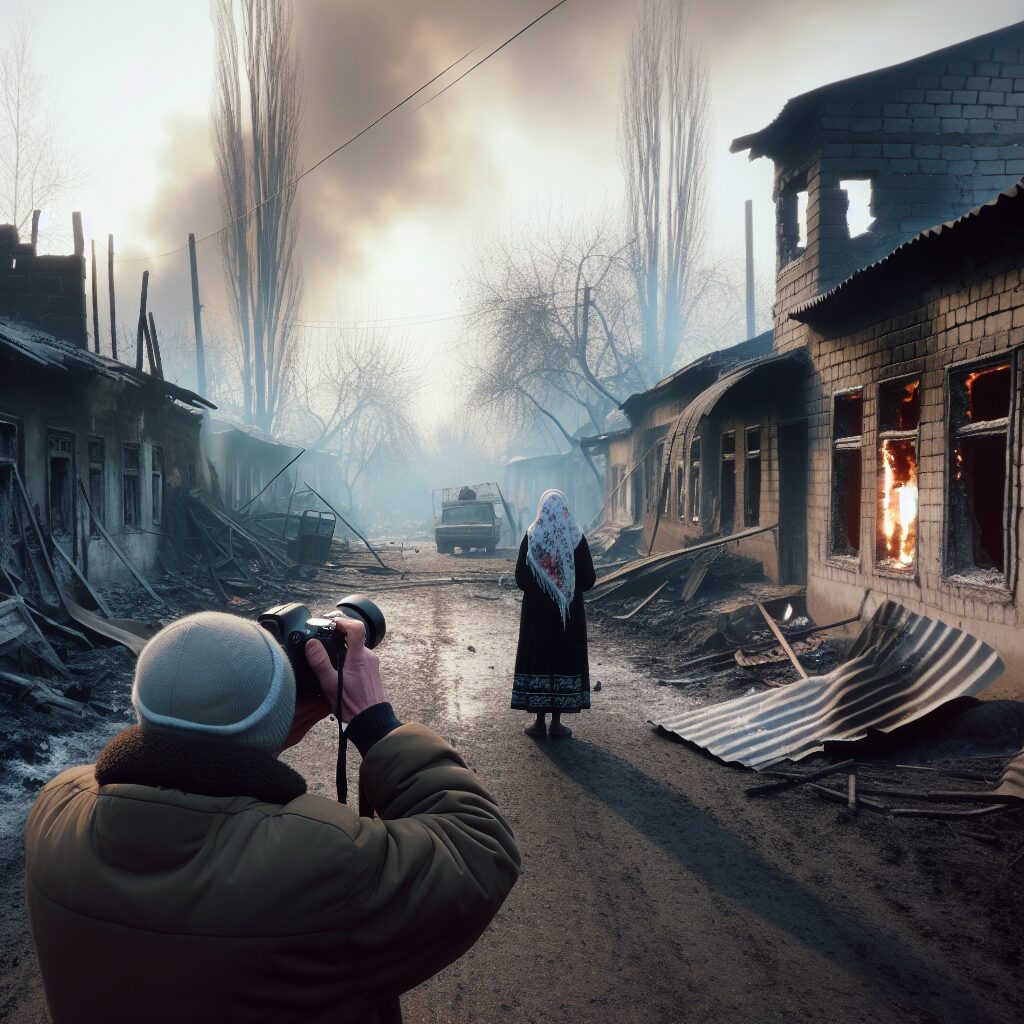
In a significant development in the ongoing conflict in Ukraine, Russian President Vladimir Putin has announced a temporary ceasefire to coincide with Orthodox Easter celebrations. This decision comes as both Russian and Ukrainian communities observe one of the most important religious holidays in the Orthodox calendar, which this year falls on April 16.
Putin’s declaration aims to allow for a brief respite from hostilities, enabling civilians to participate in Easter services and family gatherings without the immediate threat of violence. The ceasefire is set to last for 36 hours, beginning on the evening of April 15. This move has been met with cautious optimism by some, as it presents a rare opportunity for peace during a time of deep-seated conflict.
However, the effectiveness of the ceasefire will depend on the adherence of both sides. In previous instances, temporary truces have been marred by violations, raising concerns about whether this pause in fighting will be respected. Ukrainian officials have expressed skepticism, noting that past ceasefires have often been used by Russian forces to regroup and reposition.
As the Central Coast community reflects on the implications of this announcement, many residents with ties to the region or those who follow international news closely may find themselves contemplating the broader impact of such conflicts on global stability and local sentiments. The Easter ceasefire serves as a reminder of the ongoing human cost of war and the hope for peace that transcends borders and beliefs.
Residents are encouraged to engage in discussions about peace and support humanitarian efforts aimed at assisting those affected by the conflict. Local organizations may be planning events or initiatives to raise awareness and provide aid, fostering a sense of community solidarity during these challenging times.
Comments and community engagement live on Reddit rather than on this site.
No Responses